How to Import MBOX to Office 365: 2 Working Methods
Short Answer: Short Answer: Office 365 doesn’t any direct option. You can configure Office 365 account in Thunderbird and add ImportExportTools NG. After that, right-click on the Mailbox panel and select Import MBOX File. On the other hand, to import MBOX to Office 365 directly without Thunderbird, you can download and try this utility.

This guide explains both methods to migrate MBOX to Office 365 with step-by-step instructions along with screenshots.
Table of Contents
- Why Office 365 Doesn’t Support MBOX Files Directly
- Which Method Should You Choose to Import MBOX to Office 365?
- Method 1: Migrate MBOX to Office 365 Using Thunderbird
- Method 2: Use an MBOX to Office 365 Migration Tool
- Watch the MBOX to Office 365 Migration Tutorial
- Conclusion
- Frequently Asked Questions
Why Office 365 Doesn’t Support MBOX Files Directly? Know Here!
MBOX file is a single mailbox file that contains emails with attachments and along with that embedded images in Base64-encoded text, mailbox information etc. On the other hand, you will see that Office 365 uses a completely different mailbox structure. Due to differences in their mailbox and others, Microsoft 365 cannot open MBOX files directly.
That’s why, users either use an MBOX-supported email client as a medium to transfer emails from MBOX file to Office 365 or any professional method.
Which Method Should You Choose to Import MBOX to Office 365?
The best method depends on the mailbox size and number of files to import.
| Feature | Thunderbird | Advik MBOX Migrator Tool |
|---|---|---|
| Cost | Free | Paid (Free Trial Available) |
| Import MBOX Directly | No | Yes |
| Technical Skill Required | Moderate | Low |
| Supports Bulk Importing | No | Yes |
| File Size Limit | 4 GB | No file size limit |
| Filter Options for Selective Emails | No | Yes |
| Best for | 1 Small MBOX file | Multiple files |
| Speed | Slow | High |
-
- Choose Thunderbird if you have one or two small MBOX files and want a free solution. It works well for personal use but you will need to enable IMAP and sign in through modern authentication.
- Choose MBOX to Office 365 Migration Tool if you want to import multiple MBOX files directly without conversion.
Method 1: Migrate MBOX to Office 365 Using Thunderbird
Here, we will use Mozilla Thunderbird as a medium to transfer MBOX files into your Office 365 account. It is an open-source email client and supports importing MBOX file and also syncs well with Microsoft 365 using IMAP feature.
Needed Things:
- Mozilla Thunderbird
- Your Office 365 account credentials
- MBOX file ready
Step 1. Launch the Thunderbird email client on your system.
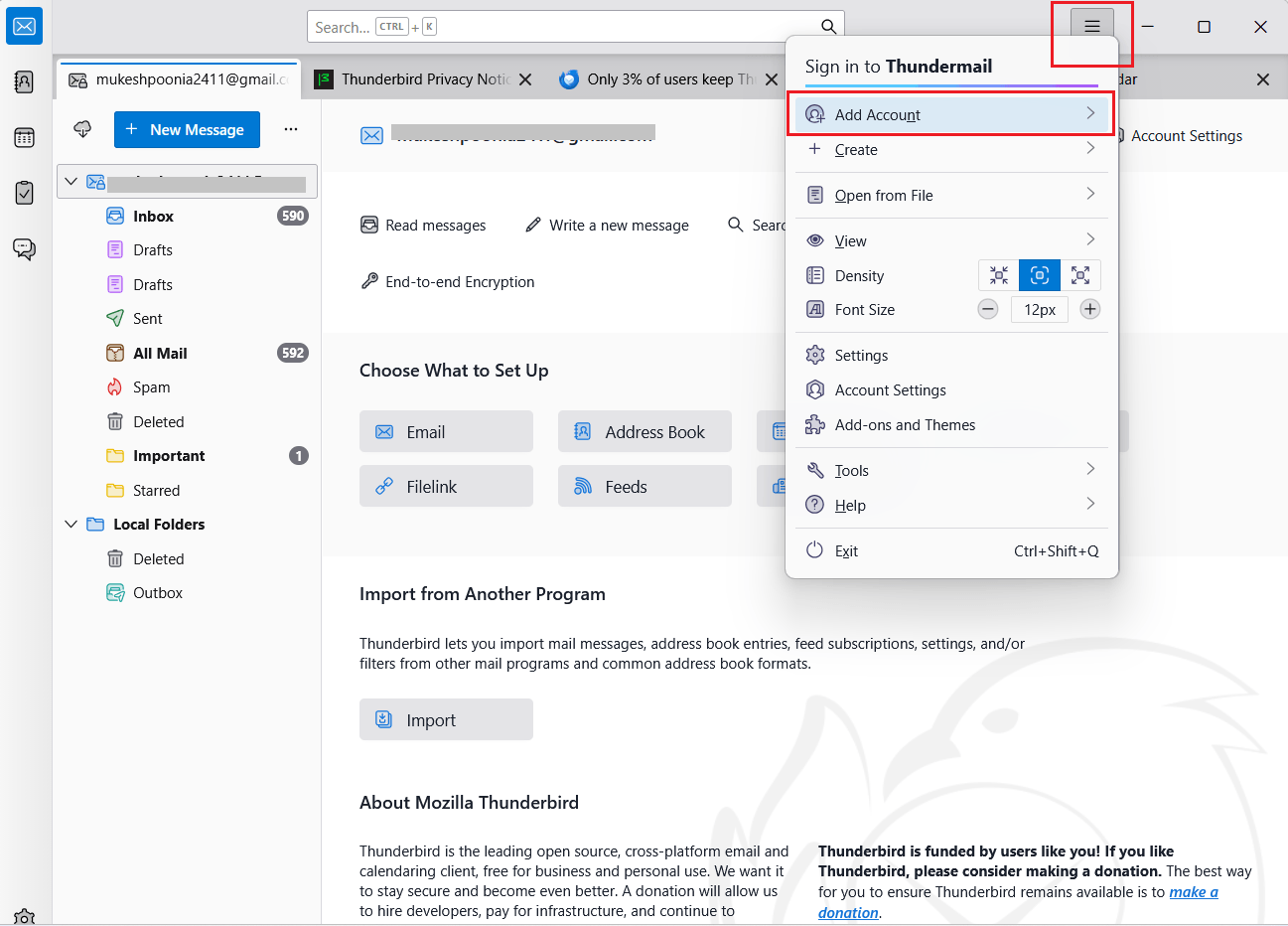
Step 2. Click on Menu icon and select Add New Account option.
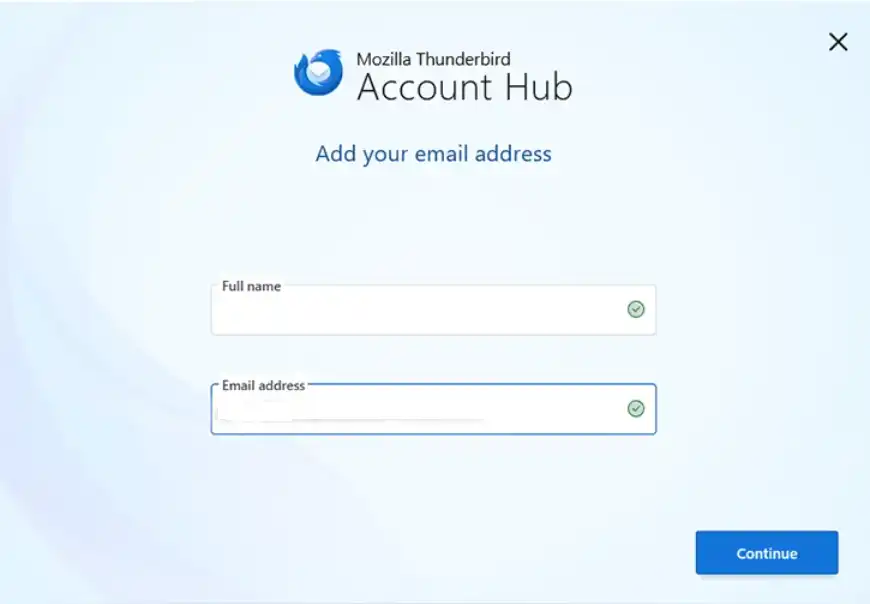
Step 3. Enter your Office 365 login credentials to connect with Thunderbird.
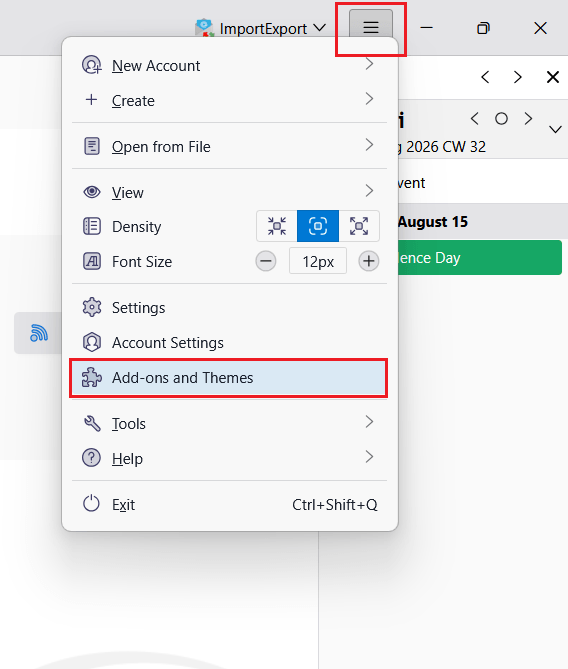
Step 4. Click on the three horizontal lines and choose Add-ons and Themes.
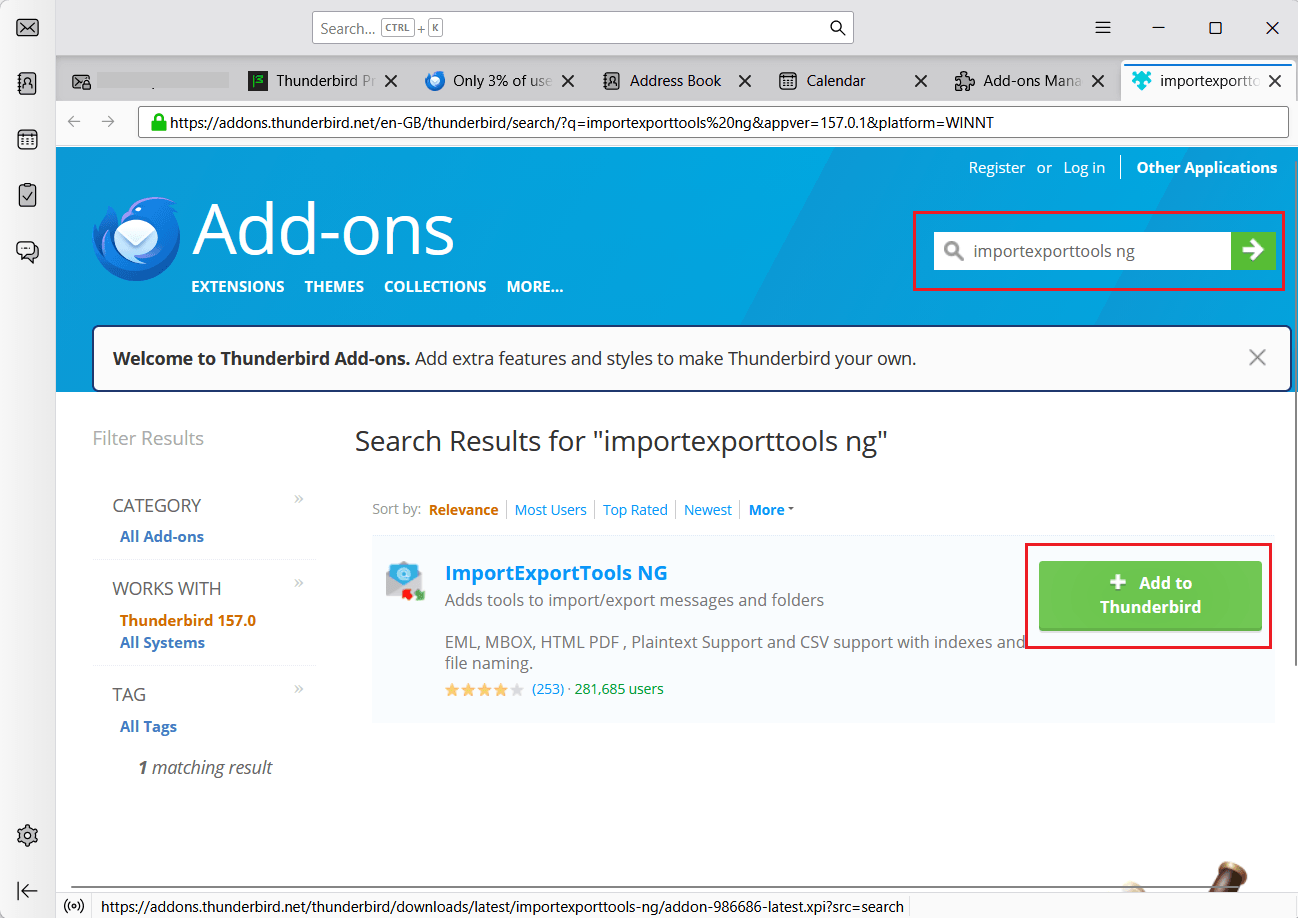
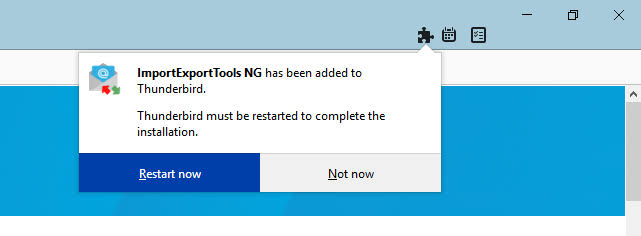
Step 5. Search for the ImportExportTools NG add-on and add it to Thunderbird.
Step 6. After that, restart your Thunderbird application.
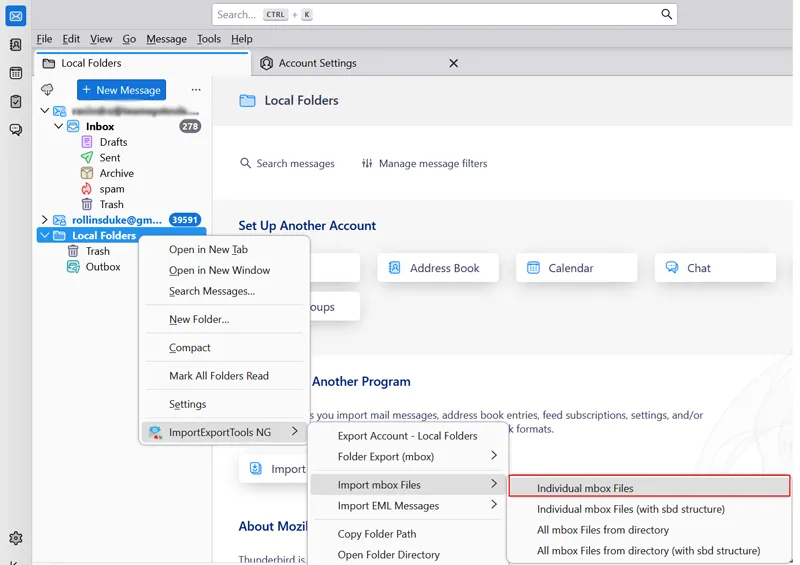
Step 7. Now, right-click on Local Folders > ImportExportTools NG > Import MBOX File.
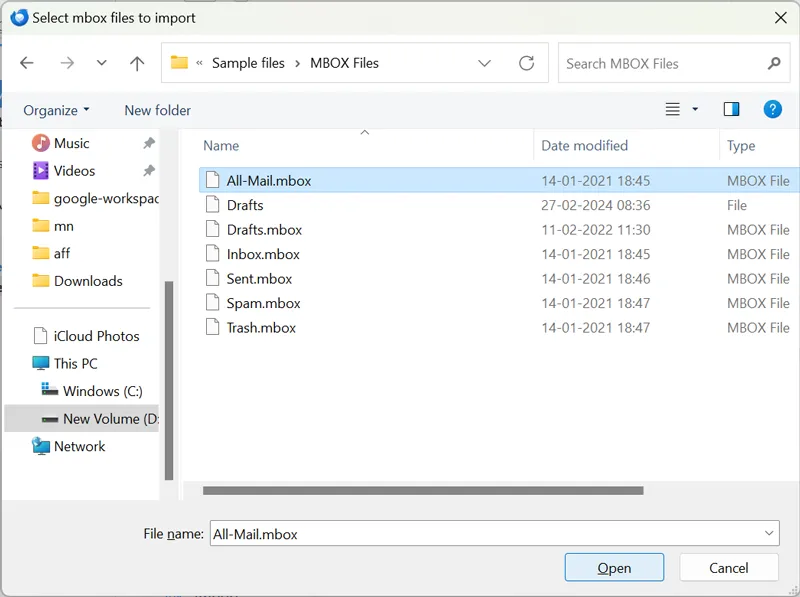
Step 8. Select your MBOX file and load it.
Step 9. Once emails appear, right-click the imported folder > Copy To > your Office 365 account > Destination folder.
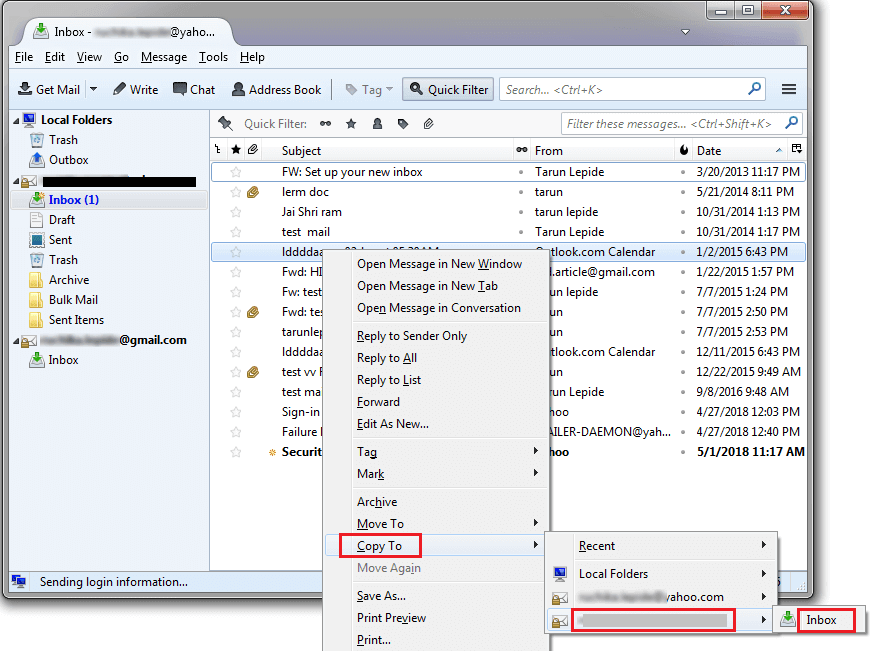
This method helps you migrate emails from MBOX to Office 365 manually.
Limitations of Migrating MBOX to Office 365 Using Thunderbird
The manual process works well but there are several major limitations.
- Slow Performance: During testing, we found that importing large MBOX files caused issues in Thunderbird. Such as slow indexing, syncing, high RAM usage and many more. It disrupts your complete process when you find these types of issues.
- Risk of Incomplete Syncing: If synchronization process stops midway due to internet interruption or any reasons then it’s probable that some emails may fail to load properly.
- Duplicate Emails: If you repeat the same steps for bulk email transfer then it’s high chances that duplicate mailbox items may appear in Office 365 folders.
Method 2: Import MBOX to Outlook 365 Directly
If you have multiple MBOX files or want to complete the whole process without facing much efforts then, MBOX to Office 365 migration tool is the best option. It directly connect to your Office 365 mailbox and securely upload all MBOX emails. Unlike the manual process, they don’t require Thunderbird setup or Microsoft import service.
One such reliable solution is Advik MBOX Migrator. This smart tool allows you to import MBOX to Office 365 in 5 simple steps. It provides complete data accuracy, preserves folder hierarchy and copy all emails from MBOX to Office 365 with attachments safely. No matter whether you have a single file or multiple mailboxes, this MBOX to Office 365 migrator completes the entire process without any technical hassle.
Download and try the software for free.


Note: Unable to Sign in?. Click here for the instructions.
Follow the Steps to Migrate MBOX to Office 365
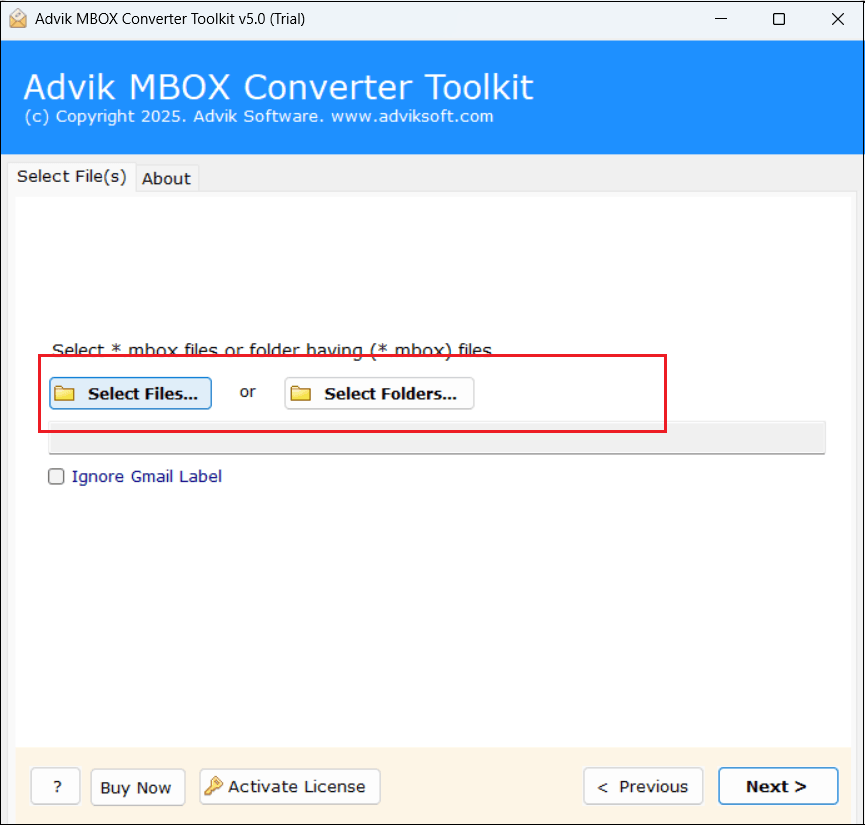
Step 1. Run the tool and add .mbox file into the software panel.
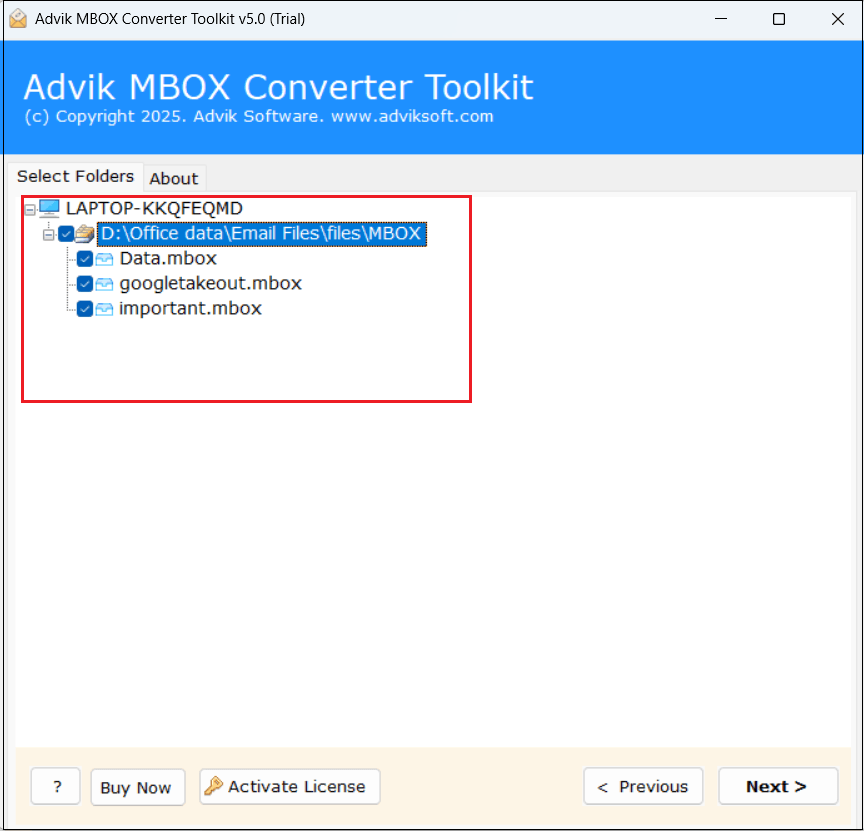
Step 2. Select MBOX folders from preview mode and click Next.
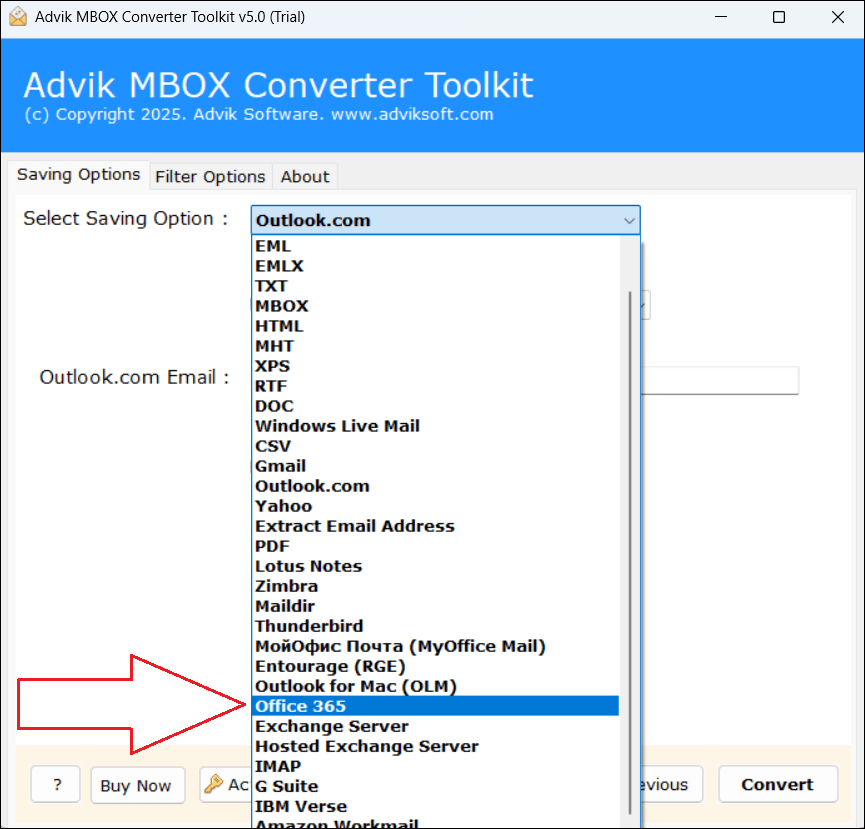
Step 3. Next select Office 365 as a destination source from the list.
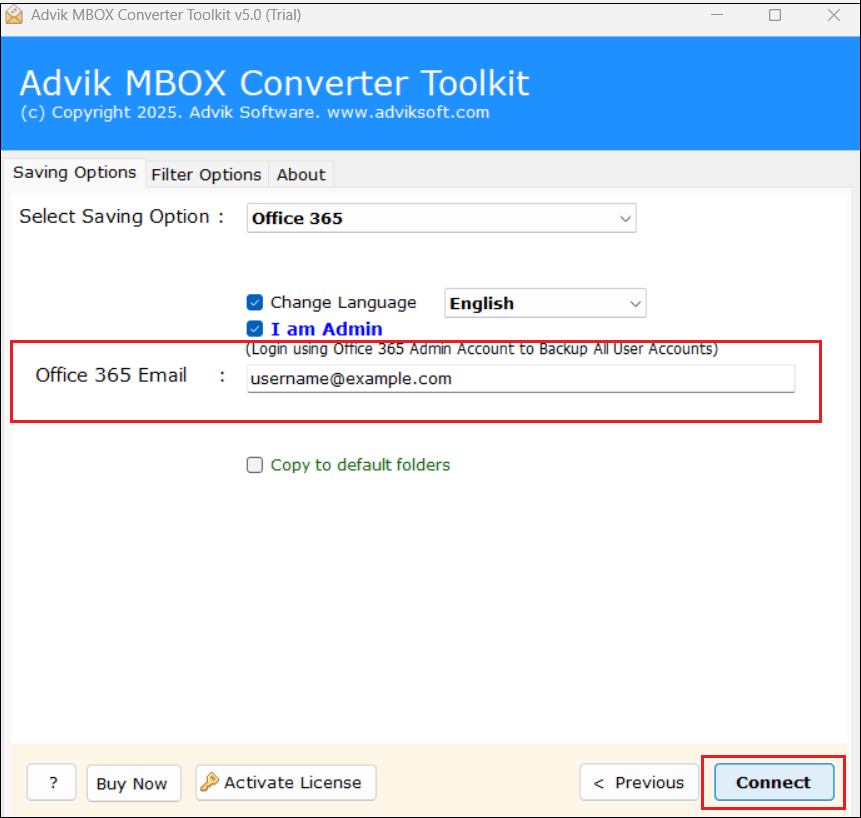
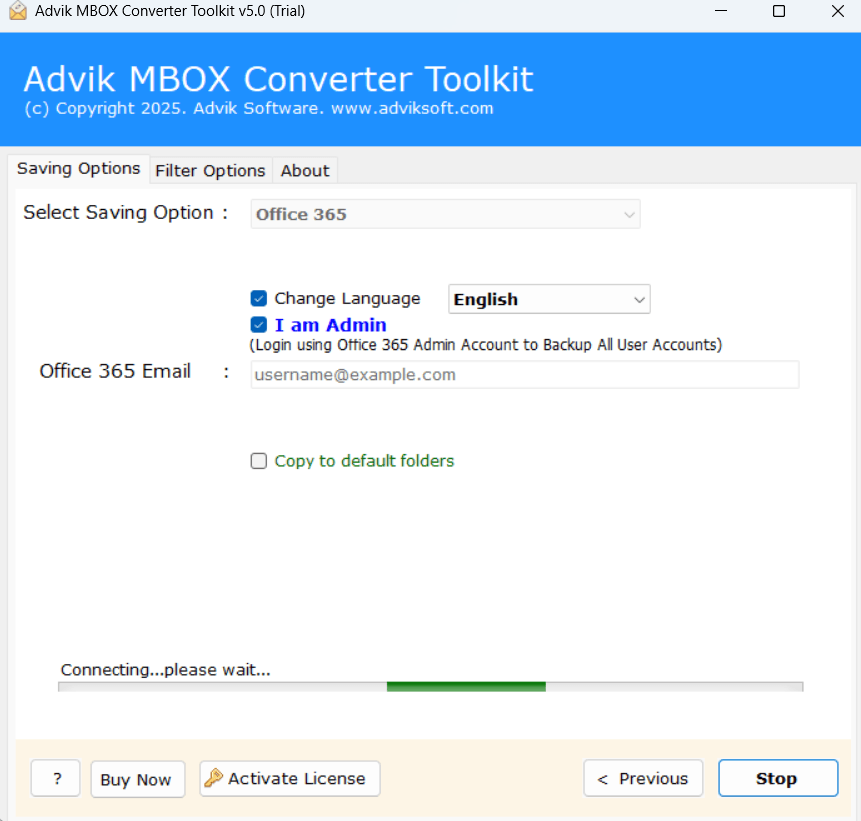
Step 4. Enter Office 365 email address click the Connect button.
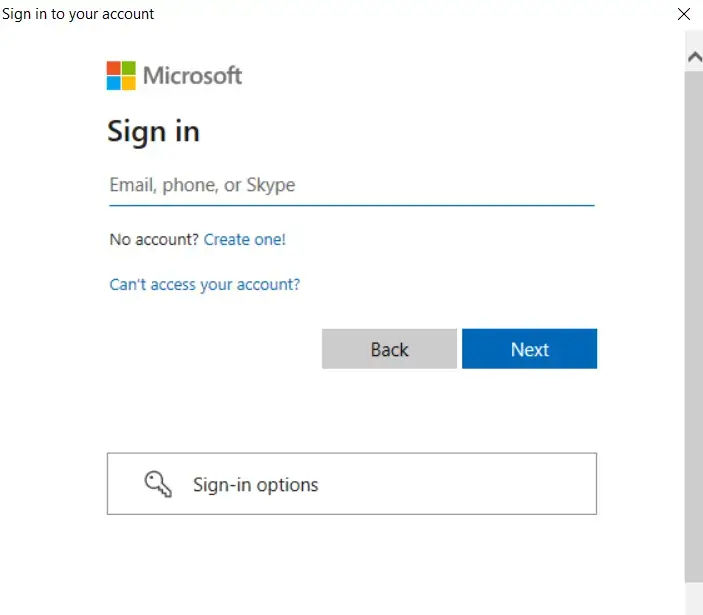
Step 5. Type the Office 365 email address and password in the pop-up Microsoft window and click Sign in.
Step 6. The Software will start uploading emails from .mbox into Office 365 within a few minutes.
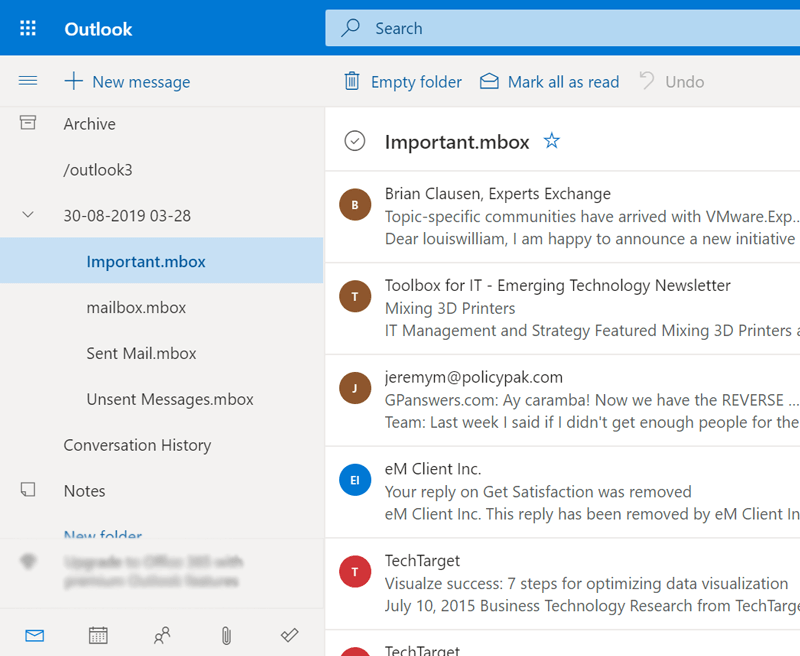
Once done, log in to your Microsoft 365 mailbox all your MBOX emails will appear with the same structure as before.
Watch Video Tutorial for MBOX to Office 365 Migration
Conclusion
So, after reading the above blog, you must have decided which method to choose or which not. Still, for your better clarity, we will guide you on choosing the appropriate solution as per your need. For few emails or mailboxes Thunderbird can work well. However, during the implementation of these methods in different scenarios, we found that large MBOX files slowed the synchronization process and increased resource usage more than required.
If you are handling multiple mailbox files then an automated approach is more manageable and reliable than manual methods.
Frequently Asked Questions (FAQs)
Q1. Does Microsoft 365 support MBOX files directly?
Ans. No. Office 365 doesn’t import MBOX files directly. You must use Thunderbird as an intermediary or a professional MBOX-to-Office 365 migrator.
Q2. Can I import multiple MBOX files at once?
Ans. Thunderbird supports import one file at a time. Microsoft 365 Import Service and MBOX to Office 365 Import tool can migrate multiple files in a single attempt.
Q3. Do I need Thunderbird installed for automated migration?
Ans. No. A professional migrator can import MBOX to Office 365 without using Thunderbird.
Q4. Will the folder hierarchy remain the same after migration?
Ans. Yes, use the mentioned solution in this article to preserve the exact folder structure.
Q5. Can I import only certain emails from MBOX file?
Ans. Yes, the professional solution offers advanced filter options to upload selected emails.
Q6. How much time does it take to migrate from MBOX to Office 365?
Ans. The method and the speed of your connection determine the migration time. It takes longer to use the Microsoft 365 Import Service and the Thunderbird IMAP approach.While a dedicated migration tool is usually fast and complete the process very soon compared to manual methods.
Q7. Can I use Outlook to import MBOX to Microsoft 365 instead of the Import Service?
Ans. No, not directly. Outlook does not support MBOX files, so you cannot import MBOX using Outlook Import/Export Wizard. You must first convert into PST. Once converted, Outlook can import into your Microsoft 365 mailbox.
Q8. What is the maximum MBOX file size I can import?
Ans. There is no fixed limit on the MBOX file itself but three practical limits apply. Therefore, divide any larger files and keep individual files under 20 GB.
Q9. Does this software allow to import more than 25 GB MBOX files to Outlook 365?
Ans. Yes, the tool itself has no size limit and handles mailboxes above 25 GB. For best performance, we recommend splitting very large files and remember the destination mailbox quota applies regardless of the tool used.